
Rocket Arugula/Roquette Seeds - (Eruca sativa)

- SKU:
- V1197
- Seed Count:
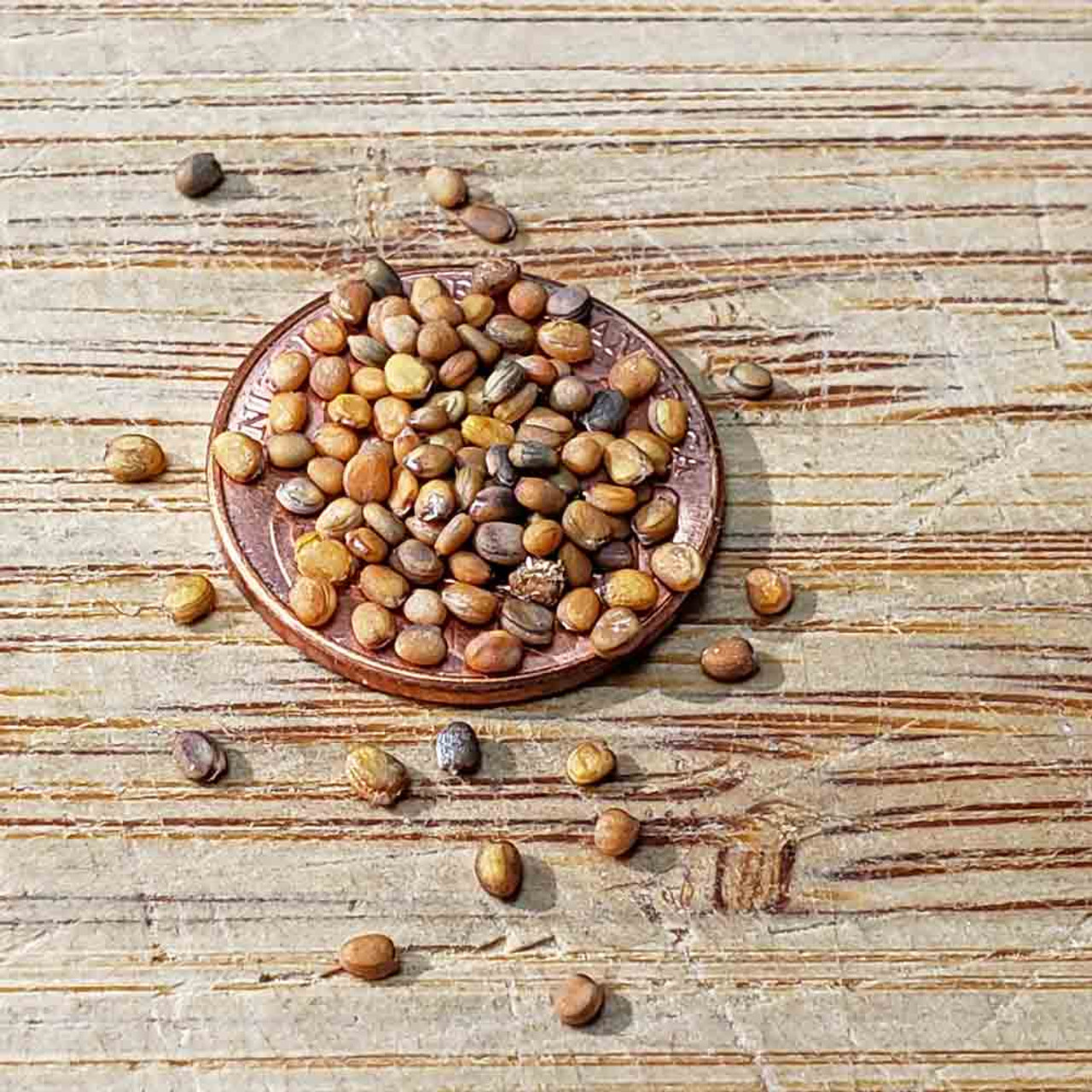
- Approx 300 seeds per pack
- Days to Maturity:
- 55-60 days
- Type:
- Half-hardy annual
- Days to Germination:
- 5-7 days at 55-80F
- Light Preference:
- Full sun
- Soil Requirements:
- Well drained
- Status:
- Heirloom, Non-Hybrid, Non-GMO seeds


Description
Rocket Arugula - From Nutty to Peppery
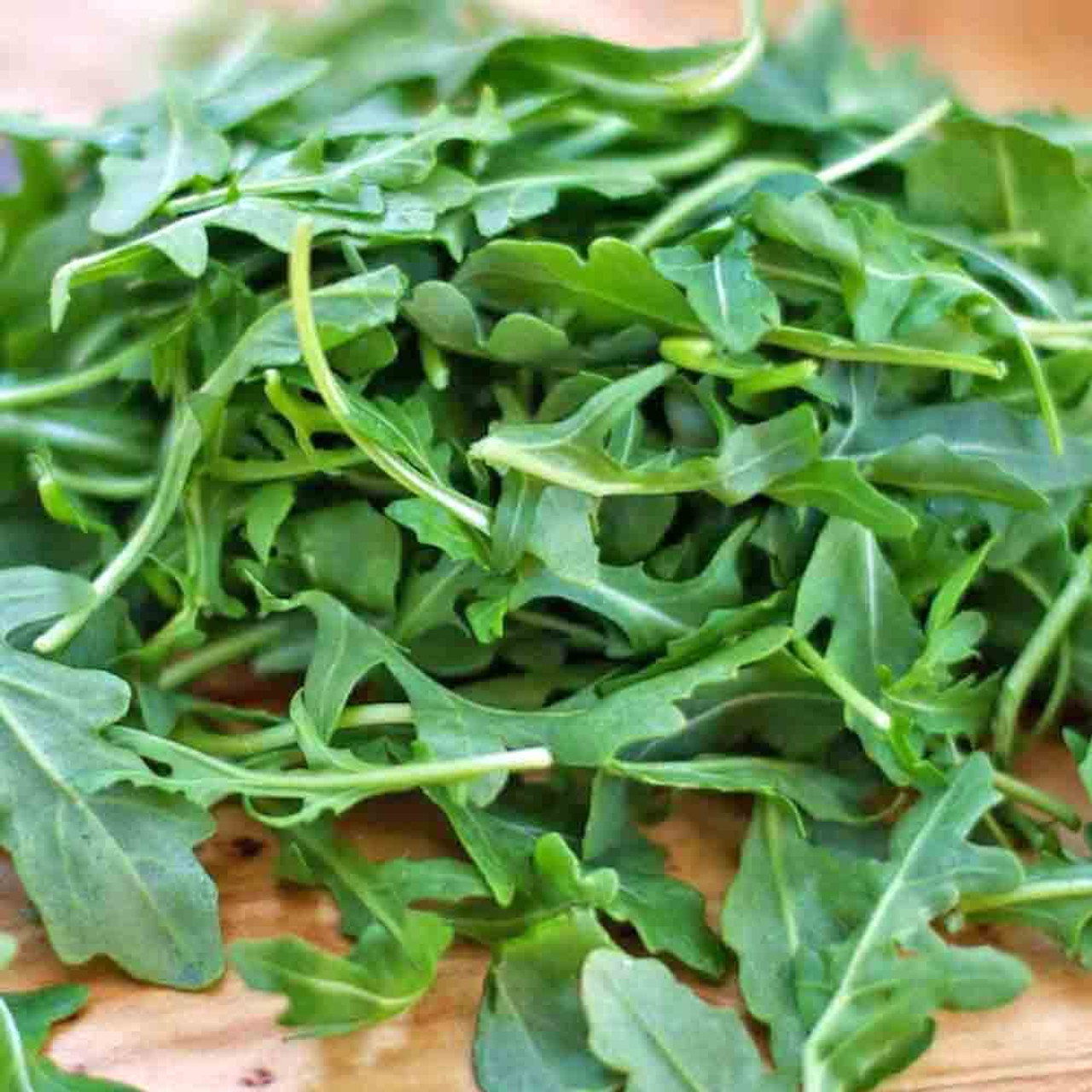
In the history of heirloom horticulture, few plants command the reverence and cultural duality of Rocket Arugula (Eruca sativa). Growing it from seed gives you total control over a plant of remarkable vitality. If you enjoy the mild, nutty leaves found in markets, you can easily achieve that exact flavor by harvesting at the baby stage. But the home garden offers an invitation the grocery store cannot: the freedom to grow the wildness that the supermarket cannot capture.
As the plant matures beyond infancy, that signature peppery kick emerges—not as a harshness to be avoided, but as a biological sign of nutrient density. By growing it yourself, you gain access to the full symphony of the plant: the tender sweetness of the cool-season rosette, the complex heat of the mature leaf, and the sweet, vanilla-scented blossoms that feed pollinators when the rest of the garden is silent.
Details
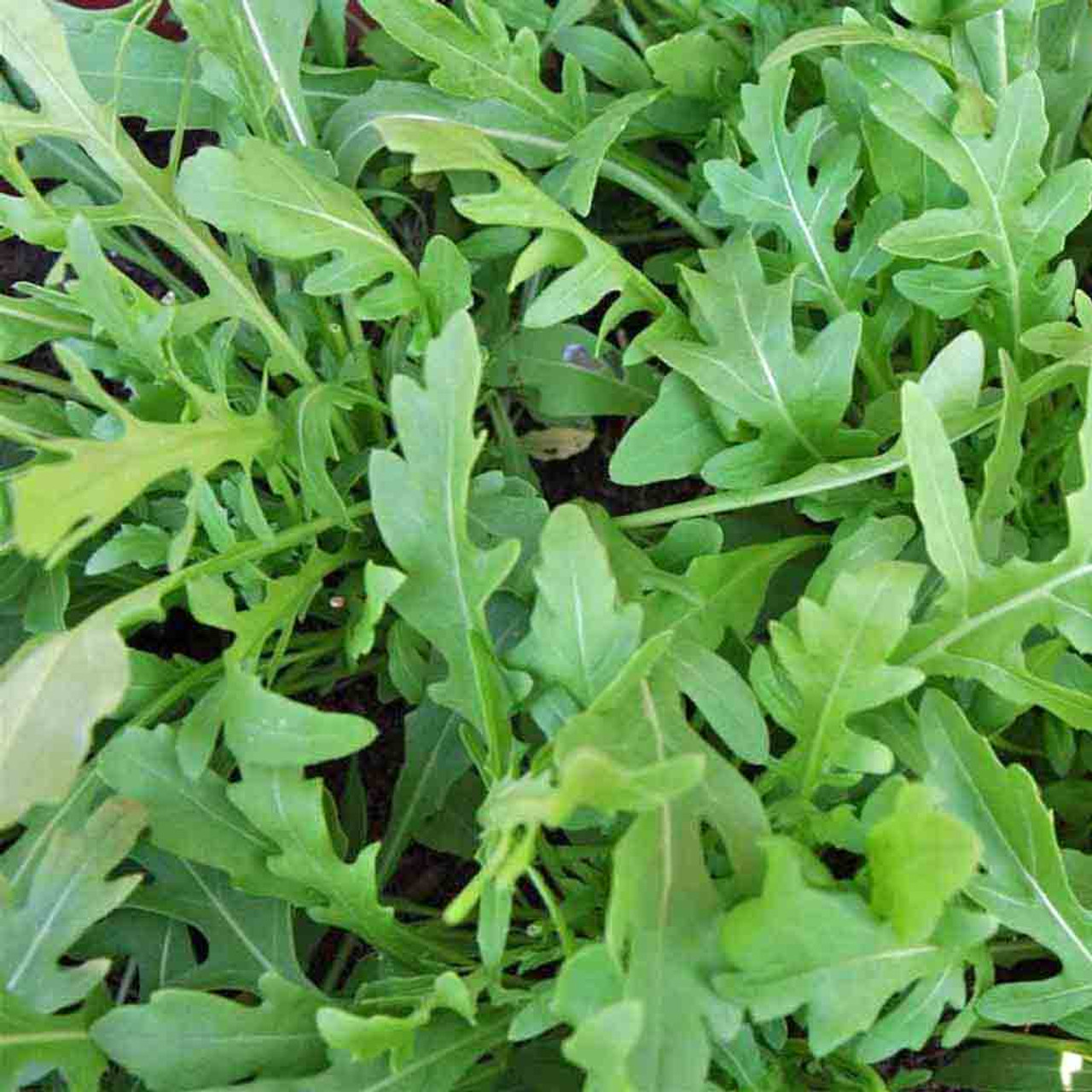
This is the true Eruca sativa, or Salad Rocket, distinct from the perennial wild arugula, recognized by its narrower leaves and intense, wasabi-like heat. This cool-season annual is built for speed, having a slender taproot and a dense network of fine lateral roots that allow it to drink surface moisture quickly. This root structure fuels a rapid growth cycle, often ready for harvest in as little as 21 to 30 days. Because of this compact system, it thrives in containers; a window box or pot with a minimum depth of 6 inches is sufficient for leaves, though a 1-gallon container is recommended if growing the plant to its full flowering height. As it grows, it forms a basal rosette of broad, deeply lobed leaves that resemble an oak leaf. In its vegetative state, the leaves are succulent and crisp, but as the plant matures or encounters heat, the foliage becomes tougher, and the flavor intensifies significantly. The plant eventually sends up a flower stalk reaching 2 to 3 feet in height, adorned with clusters of creamy white flowers etched with distinct purple or brown veins—a visual nectar guide for pollinators. It thrives in standard garden soil and requires consistent moisture to maintain its leaf texture.
History
The history of Rocket is one of reverence and repression. Native to the Mediterranean and Western Asia, farmers have cultivated it for millennia, not just for food but for vitality. Its relationship with humanity predates the Romans; scholars believe the Old Testament term oroth refers to Eruca, derived from the Hebrew root meaning "light" or "to enlighten." The Romans elevated it to a cult status, dedicating it to Priapus and consuming it to revive flagging spirits, a practice the poet Virgil immortalized. Its reputation for potency became so established that medieval monasteries frequently banned its cultivation, fearing it would incite passions among the monks. While it fell out of favor in Victorian England for being too strong a salad herb, it survived in the gardens of Italian immigrants in the United States, eventually re-emerging as a staple of the modern culinary renaissance.
Uses
The primary use of Rocket is culinary, providing a treble note of pepper and walnut that cuts through rich, fatty foods. The flavor profile is complex, beginning with notes of sesame and finishing with a rising heat similar to horseradish. Enjoy the young leaves raw in salads, pairing them with milder lettuces to balance the heat—a salad recipe dating back to Pliny the Elder. As the leaves mature and gain pungency, they stand up well to wilting over hot pasta or in dishes like the Italian classic Straccetti con Rucola, where the heat of thinly sliced beef releases the greens' aroma. Uniquely, the gardener can also harvest the edible flowers, which offer a sweet, vanilla-like scent and a milder flavor. Historically, cooks even valued the seeds; medieval recipes describe a sauce made from ground arugula seeds used to cut the richness of roast beef, and Northern Indian traditions press the seeds for Taramira oil, used in traditional medicine to stimulate circulation.
Companion Planting
Arugula serves a valuable role in the garden's defense system. It acts as an effective trap crop for flea beetles; planting a perimeter of arugula can lure these pests away from slower-growing, more valuable brassicas like broccoli or cabbage. When allowed to bolt, the white, purple-veined flowers become a significant nectar source for Syrphid flies (hoverflies). These flies are voracious predators of aphids, so maintaining a patch of flowering arugula creates a nursery for beneficial insects that protect neighboring crops like kale and lettuce. It pairs exceptionally well with pole beans, which can provide the shade necessary to keep the arugula cool and delay bolting as the season warms.
Avoid planting it near strawberries or other heavy-feeding brassicas to prevent the buildup of soil-borne diseases.
Planting and Growing Tips
Success with Rocket relies on respecting its preference for cool weather. It thrives in temperatures between 40°F and 65°F, making your planting strategy region-dependent.
- Cool-winter gardeners should sow in early spring for a harvest before the summer heat, and again in late summer for a fall crop.
- Warm-winter gardeners should treat this as a fall and winter crop, sowing from October through February to harvest through the mild winter months.
Plant seeds shallowly, about 1/8 to 1/4 inch deep, and keep the soil consistently moist until germination, which is rapid—often within 5 to 7 days. Thin seedlings to 4 to 6 inches apart to allow the rosettes to develop fully. Consistent moisture is key to mild flavor; water stress mimics heat stress, triggering the plant to become pungent and bolt. To ensure a continuous supply of tender greens, use succession planting, sowing small batches every 2 to 3 weeks. Be aware that temperatures above 75°F will trigger the plant to bolt and produce flowers; this is the natural end of the leafy cycle, though we have found that pinching off the tender flower stalks as they begin to form can prolong leaf production.
Harvest Tips
Harvest leaves when they are young and tender, typically 2 to 4 inches long, for the mildest flavor. You can harvest individual outer leaves in a "cut-and-come-again" style to extend the life of the plant, or cut the entire rosette at the base. Taste the leaves frequently as the weather warms; once the flower stalk begins to form, the leaves will become significantly sharper and more bitter. At this stage, switch to harvesting the flowers for salads.
Learn More
- Cool Season Vegetables to Love
- Succession Planting - Boosting Garden Production
- Hortopita or Greek Spring Greens Quiche
From the soil to the seed to the food you eat - we'll help you grow your best garden!
Related Products
Related Products
Black-Seeded Simpson Lettuce Seeds - (Lactuca sativa)

Wild Italian Arugula Seeds - (Rucola selvatica)

Jericho Lettuce Seeds - (Lactuca sativa)

