East Indian Lemongrass Seeds - (Cymbopogon flexuosus)

- SKU:
- H1058
- Seed Count:
- Approx 50 seeds per pack
- Type:
- Perennial/Annual depending on your climate
- Days to Germination:
- 7-14 days at 65-75F
- Light Preference:
- Full sun
- Plant Spacing:
- 2'
- Status:
- Heirloom, Non-Hybrid, Non-GMO seeds




Description
East Indian Lemongrass - The Best ‘Lemon’ in the Garden is a Grass
East Indian Lemongrass is one of the simplest herbs you can grow, flourishing in your summer garden and your winter windowsill while providing a constant source of legendary flavor. While it looks like a stand of showy ornamental grass, its potent biology works tirelessly, producing its signature bright, fragrant oils. This variety is as resilient as it is aromatic, thriving in the midday heat that causes other herbs to wilt. For the home gardener, it offers the ultimate kitchen choice: a fast-growing, simple-to-maintain source of fresh lemon, ginger, and minty nuances that you can harvest at its peak flavors and bring indoors when the frost arrives. It is the easiest way to ensure your kitchen never runs out of the creamy citrus intensity of the spice coast.
Details
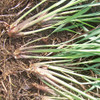
East Indian Lemongrass forms towering, tufted clumps that soar up to five feet tall in a single summer in ideal conditions. Elegant, spindly stems define the plant, often showing a distinct purple or reddish tinge at the base—a visual hallmark that separates it from the thicker, bulbous stalks commonly found in supermarkets or Asian markets. Its stiff, blue-green blades arch gracefully as they mature, creating a striking vertical presence that commands its own space in the garden. It thrives as a summer annual in USDA Zones 3 through 9, but is a robust perennial in the frost-free tropical heat of Zones 10 through 12.
Crushing a single leaf releases an electric, creamy citrus scent that lingers long after you’ve left the garden. This spindly shape is a functional choice the plant makes: it directs its energy into making its signature aromatic oils—concentrated citral—rather than building a woody stalk.
To stay cool, the plant uses a natural system similar to sweating. It opens its pores to release moisture, acting like a biological air conditioner that prevents its leaves from scorching even in the heat of August.
Because this cooling system consumes water quickly, the plant’s size is directly tied to its available water reserves. While it reaches its full five-foot stature in open ground or large 15-to-20-gallon containers, it adapts beautifully to smaller spaces. A 3-to-10-gallon pot will produce a more compact, 1.5-foot version of the plant, provided it receives rich soil and consistent moisture to keep its cooling system active.
Below the surface, those roots form a dense, mat-like web of thousands of thin, hair-like fibers that bind the soil together, preventing washouts during heavy rains. Above ground, that same citrus intensity acts as a natural shield, deterring garden pests while calling honeybees and pollinators into your rows.
History
The story of East Indian Lemongrass begins in the tropical, high-rainfall landscapes of the southwestern "Spice Coast" of India. For centuries, this specific region served as the world’s landmark for potent citrus aromatics. While many varieties of lemongrass exist, this species originated in the open forests and grasslands of the Western Ghats mountain range. Local families domesticated the plant not for the size of its stalks, but for the intensity of the oil within its thin, spindly leaves.
In the 19th century, the port city of Cochin (modern-day Kochi) became the global benchmark for quality. Situated as a central hub for the spice trade on the Malabar Coast, Cochin was the only place where the most aromatic, high-citral oil could be found. Master blenders and traditional cooks sought out "Cochin Grass" specifically for its high concentration of citral—the component responsible for that electric, creamy lemon flavor. While other regions produced bulkier, milder grasses that were easier to ship, the Cochin variety was prized for providing a flavor density that those heavier stalks could never reach.
East Indian Lemongrass is unique because it produces viable, living seed - an advantage for the home gardener. Most lemongrass found in stores is a sterile clone—a plant that must be vegetatively propagated to survive. Because this Cochin native grows from seed, it retains its flexibility. Every generation of seed carries the ability to adapt to your specific soil and climate.
Uses
East Indian Lemongrass is a powerful flavor concentrate for the kitchen, providing an electric citrus intensity with floral, ginger, and minty nuances. Peel away the tough, fibrous outer leaves to reveal the flavorful pale-yellow core of the stalk. This tender center can be finely minced for fresh Thai salads like yum takrai or blended into vibrant curry pastes. For longer-simmered dishes like tom yum soup, tom kha gai, or Singaporean laksa, bruise the whole stalks to release their essential oils and remove them before serving. Its versatility extends beyond savory curries into herbal teas, cocktails, and even citrus-infused desserts, pairing naturally with coconut milk, galangal ginger, and seafood.
Companion Planting
This variety thrives alongside other heat-loving residents like peppers, tomatoes, and summer squash. Because it can reach five feet in height, place it where it won’t shade out smaller neighbors, giving it at least two to three feet of breathing room. While its aromatic shield benefits its neighbors by confusing pests, its root system is highly territorial.
Avoid planting lemongrass near delicate, slow-growing seedlings or small legumes like bush beans. The plant releases natural chemicals from its roots that can stunt the growth of these smaller competitors as it stakes out its own space for water and minerals.
Planting and Growing Tips
The seed needs tropical warmth and light for germination. Since they are light-triggered, press them firmly into the surface of the soil, ensuring good contact between the soil and seeds rather than burying them in the dark. For indoor starts, a heat mat is essential to maintain a warm soil temperature baseline of 75°F to 85°F. Do not move seedlings outside until the soil is warm and the nights are reliably and consistently above 60°F.
The ultimate size and height reflect the volume of soil provided. For a massive, five-foot specimen, provide open ground or a large, heavy-duty planter roughly the size of a half-wine barrel. If space is limited, smaller 5-to-10-gallon containers will yield a healthy but more compact version of the plant, provided the roots have consistent moisture to fuel their cooling system. In cold-winter regions, dig and divide the root clumps to bring them indoors before the first frost, as the grass has no tolerance for freezing temperatures.
Harvest Tips
For the most flavor, harvest your lemongrass at high noon. This is when the plant’s aromatic oils are at their daily metabolic peak, providing the most potent scent and taste for your kitchen. Snip the thin stalks at the base. Frequent harvesting of the outer leaves helps keep the plant productive and lush throughout the summer.
Learn More
From the soil to the seed to the food you eat - we'll help you grow your best garden!
1 Review
-
Lemon Grass growing in central Texas
Planted a few seeds in a 10 inch pot. Excellent germination. Almost all seeds planted germinated. This spring/summer however has been the driest exceptional drought. Even through some neglect, little water, and periods of shade, this lemon grass grew well--and I did put it through some hell with very little water. Also, I planted it using ordinary garden soil mixed with a commercial potting mix peat, perlite, wood chips and no fertilizer whatsoever. I can only imagine what it would have grown into if I had fed it compost tea or the like. I grew it as an annual let it dry out completely, although I imagine in warm areas farther south it can overwinter well. I did not get to use it in the kitchen but I'm looking forward to spring. I'm also looking to trying it out in the garden patch instead of growing it in a pot. I will update my review when I attempt this in the spring I first plant unknowns in pots especially tropical plants when I don't know enough of their potential invasive. So far pleased with lemon grass seeds.
Related Products
Related Products
Indian Spring Hollyhock Seed Mix - (Alcea rosea)

Soap - Organic Lemongrass Tea
Terroir Seeds Cut Flower Seed Mix