
Terroir Seeds Cut Flower Seed Mix

- SKU:
- F1151
- Seed Count:
- Approx 200-300 seeds per pack
- Coverage:
- Approx 16 square feet
- Days to Germination:
- Germination times will vary
- Sowing:
- Plant on soil surface, covering very lightly
- Status:
- Heirloom, Non-Hybrid, Non-GMO seeds


Description
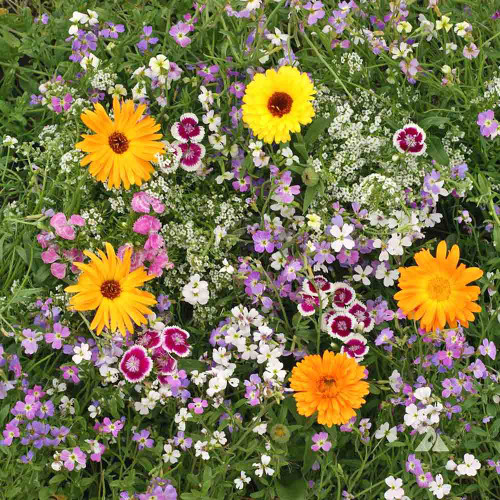
Cut Flower Mix - The 19th-Century Cutting Garden
The 19th-century cutting garden was never meant for show; it was a hard-working part of the home plot, usually tucked near the vegetable rows so it could be managed and harvested alongside the food. In the 1800s, every plant was expected to pull its weight, and this mix follows that same logic by providing a steady supply of blooms for your table while making sure the local bees and butterflies have plenty of nectar and pollen.
Plant this mix to create a garden where the beauty of a fresh bouquet and the health of your local pollinators work together.
Highlights of the Mix
Our hand-picked selection includes a range of early-season starters and summer specialists, ensuring your garden stays active from spring through the first hard frost. While the following varieties represent the core of the mix, they are not the full listing, as we occasionally adjust the selection to ensure the most reliable performance for your garden.
Calendula (Calendula officinalis): A cool-season anchor with thick, resinous petals and a sturdy habit that provides early food for pollinators while the soil is still warming.
Larkspur (Delphinium ajacis): The tall, sturdy plant in the garden, providing the height needed to act as the backbone for any large flower arrangement.
Zinnia (Zinnia elegans): A prolific producer that actually grows more flowers every time you cut a stem, keeping your harvest cycle moving all summer long.
Cosmos (Cosmos bipinnatus): A plant that provides airy, feathery foliage and a constant supply of nectar, making it a favorite for traveling butterflies.
Sunflower (Helianthus annuus): The heavy-duty center of the mix, offering plenty of food for birds and providing a reliable, tall anchor for the middle of the plot.
Bachelor Button (Centaurea cyanus): An early-season specialist that handles the cool spring air with ease, producing intense colors and plenty of forage for honeybees.
Baby's Breath (Gypsophila elegans): The delicate filler for the mix, adding the soft, lace-like texture needed to round out a bouquet and soften the lines of larger flowers.
Strawflower (Helichrysum monstrosum): A unique variety with stiff, papery petals that hold their shape long after they are cut, making them perfect for dried arrangements.
California Poppy (Eschscholzia californica): A drought-tolerant plant that manages the edges of the plot, opening its orange petals in the sun to guide bees and insects to the garden.
Planting Space
One seed packet generously plants approximately 16 square feet—an ideal 4x4-foot plot. For the best results, treat this mix like a small crop. Direct sow the seeds into a clean, prepared bed once the danger of frost has passed. By raking the seeds in lightly and keeping the area moist for the first two weeks, you ensure the different varieties can get their roots established without fighting each other for space.
Harvest Insights
The secret to keeping this mix producing is to keep cutting. Most annual flowers will stop blooming as soon as they successfully make seeds. When you take a flower for your vase, you are essentially tricking the plant into thinking it hasn't finished its job. By removing the young flowers, you encourage the plant to invest its energy in creating new buds, which keeps your garden in a state of constant production.
It is best to harvest your flowers in the early morning while the blooms are the freshest.This ensures the stems stay crisp and upright in the water. Use clean, sharp shears to make a cut just above a leaf; this encourages the plant to branch out and grow even more flowers for your next bouquet.
Learn More
From the soil to the seed to the food you eat - we'll help you grow your best garden!
1 Review
-
Color all summer long
This was a great mix to come out to each day. It was like a surprise present each time a new bloom flowered. I used many of these flowers to photograph. Great mix!
Related Products
Related Products

Terroir Seeds Membership

Edible Flower Seed Mix
Fragrant Flower Seed Mix

Native Flower Seed Mix for Monarchs

