
Anaheim Hot Pepper Seeds - (Capsicum annuum)

- SKU:
- V1096
- Seed Count:
- Approx 25 seeds per pack
- Days to Maturity:
- 70-90 days
- Type:
- Hot
- Days to Germination:
- 14-21 days @ 75-95F
- Light Preference:
- Full sun
- Plant Spacing:
- 18"
- Status:
- Heirloom, Non-Hybrid, Non-GMO seeds





Description
Anaheim Pepper - The "Ortega" Experiment
In 1894, the history of the New Mexico chile split in two. While one chile stayed in the high desert to develop the signature spice that became the "Hatch" dynasty, another traveled west to the California coast to explore flavor over heat. Emilio Ortega chose this specific path not for fire, but for flesh. He needed a pepper sturdy enough to withstand the roasting fire, and the result is a culinary icon defined by its structure. This is a pepper bred for the fire. The thick, waxy skin blisters and chars, protecting the meat inside while the sugars caramelize into smoke and savory sweetness. This is a pepper with a purpose. Grow this to taste the distinct flavor of Southwestern chile breeding history, getting the heavy yields of a workhorse variety and its rich, roasted flavors that are best fresh from your garden.
Details
The Anaheim plant forms a sturdy, upright bush typically reaching 18 to 24 inches, designed to support a heavy load of hanging fruit. The canopy functions as a shade structure, with egg-shaped, glossy green leaves creating a self-regulating microclimate. They are the plant's built-in evaporative cooler—microscopic pores cover the surface and sweat moisture during the heat of the day, creating a humidity bubble that keeps the plant producing when other vegetables shut down. This dense foliage also shields the 6 to 10-inch pods (1 to 2 inches wide) from direct sun, preventing sunscald. The flower anatomy—five white petals fused at the base—creates a "biological lock." The pollen hides inside tiny tubes that only release their treasure when vibrated at a specific frequency. While wind helps, evolution partnered this plant with the "buzz pollination" of native bees and bumblebees.
History
For centuries, the Puebloan and Hispano communities of the Rio Grande Valley cultivated diverse "landrace" chiles adapted to the high desert. In 1888, Dr. Fabián García began standardizing these lines at what is now New Mexico State University, selecting for the heat and uniformity that would create the "Hatch" dynasty. But Emilio Ortega took a different path. He carried those ancient seeds from the high desert to the rich, loamy soils of Ventura, California. Ortega wasn't looking for the sharp bite of the Hatch chile. He selected for a milder profile (500-2,500 SHU) and, crucially, a thicker skin that could withstand the roasting and peeling process. The Hatch vs. Anaheim Distinction: Let’s clear up the grocery store confusion. Hatch is a terroir (a place)—it refers to peppers grown in the Hatch Valley. Anaheim is a genetic lineage—it refers to the specific Ortega cultivar selected for the coast. Location defines one; genetics defines the other.
Uses
The Anaheim was bred for the fire. The thick skin allows it to blister and char (400°F+), caramelizing the flesh into savory sugars and smoky compounds that make it the definitive pepper for chiles rellenos or canning. However, do not limit them to the roaster; they excel in any dish calling for a mild, sweet chile. To get the most flavor, roast until the skin is charred, peel, and then chop or puree into stews, soups, salsas, and sauces.
Harvested Green: Distinct flavor drivers are sharp, acidic, and bright. This is the classic "roaster" profile.
Harvested Red: The chemistry shifts, developing a deep, berry-like sweetness. In its dehydrated form, we know this as Chile Seco del Norte or California Red. Unlike the dark, raisin-like Ancho, the dried Anaheim is bright and tangy, forming the brick-red backbone of Chile Colorado (red sauce) that covers enchiladas without overwhelming the palate with heat.
Companion Planting
Do not just plant a row; build a neighborhood. Basil, Cilantro, Onions, and Chives are your first line of defense. They act as aromatic camouflage, confusing thrips and flies that target pepper foliage while contributing to a richer flavor profile. Cilantro works double-duty: it masks the pepper's scent from pests while attracting the beneficials that hunt them. Rosemary and Carrots provide the infrastructure. Rosemary offers a ground cover that helps retain moisture, while carrots suppress weeds and minimize competition. Marigolds are the underground guard, suppressing harmful nematodes.
While tomatoes and peppers are cousins (Nightshades), they are bad roommates. Rotate your crops to prevent the buildup of soilborne diseases. Planting them in different locations each year is the only way to break the disease cycle.
Planting and Growing Tips
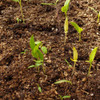
Start seeds indoors 8-10 weeks before the last frost. Maintain soil temperature at 80-85°F for germination. Anaheim seeds are strictly heat-dependent; use a heat mat if necessary, as cold soil will induce dormancy and rot. Sow seeds 1/4 inch deep.
Harden off plants for 7-10 days before transplanting. Space plants 14-18 inches apart in rows 24-36 inches apart. This density allows the plants to support each other and shade the soil, conserving moisture. Transplant outdoors only after all danger of frost has passed and night temperatures are reliably above 55°F. Unlike tomatoes, do not bury the stem deeply; plant them at the same level they were in the pot to avoid stem rot.
Maintain consistent moisture, but allow the soil to dry slightly between waterings to encourage deep root foraging.
Bees utilizing "buzz pollination" vibrate the flowers to release pollen, significantly benefiting fruit set—so keep your garden bee-friendly.
Harvest Tips
You have two distinct harvest paths to choose from. Green Chile: For the classic "Ortega" roasters, harvest often. Pick the fruit when fully sized (6-8 inches) but still firm and bright green. Frequent harvesting at this stage keeps the plant in "production mode," forcing it to set new flowers and extending your season. Red Chile: As your season ends, you can switch strategies. Leave the mid-to-late season fruit on the vine until it turns a deep, waxy red for drying or mole.
Be aware that ripening to red sends a hormonal signal to the plant that its reproductive job is done. It will naturally stop producing new flowers. Use this to your advantage to finish out the season, but don't let them turn red early if you want a long harvest. Always cut the stem with shears; pulling can damage the brittle branches.
More
- Growing Peppers 101
- Chile and Pepper Growing Tips
- Grow Better Peppers with Shade
- Fermented Pepper Sauce
- Fermented Chile Paste
From the soil to the seed to the food you eat - we'll help you grow your best garden!
Related Products
Related Products

Pepperoncini Hot Pepper Seeds - (Capsicum annuum)

Concho Hot Pepper Seeds - (Capsicum annuum)

Chilhuacle Negro Hot Pepper Seeds - (Capsicum annuum)
Red Peter Hot Pepper Seeds - (Capsicum annuum)

