
Sweet Marjoram Seeds - (Origanum majorana)
- SKU:
- H1072
- Seed Count:
- Approx 100 seeds per pack
- Type:
- Tender perennial
- Days to Germination:
- 7-14 days at 70F
- Soil Requirements:
- Well-drained soil
- Light Preference:
- Full sun
- Plant Spacing:
- 8-12"
- Status:
- Heirloom, Non-Hybrid, Non-GMO seeds







Description
Sweet Marjoram - The Herb of Grace
To savor the legendary flavor of Sweet Marjoram, you have to grow and dry it yourself. No matter how commercial growers try, they just can’t match the care and attention of growing and slow-drying that gives this herb its complex, tropical sweetness and delicate floral notes.
The reason this true flavor is so rare today isn't a mystery—it’s a matter of physics. The specific molecule that gives marjoram its unique scent is incredibly sensitive to heat, and the high-speed industrial dryers used in commercial spice production literally bake that flavor right out of the leaf. We grow this variety because the home garden is the only supply chain short enough to protect that chemistry. By practicing a bit of restraint with the water and catching the harvest at the precise "Green Bud" stage, you aren't just growing a crop; you are resurrecting a pre-industrial lineage of flavor that only a home gardener can truly capture.
Details
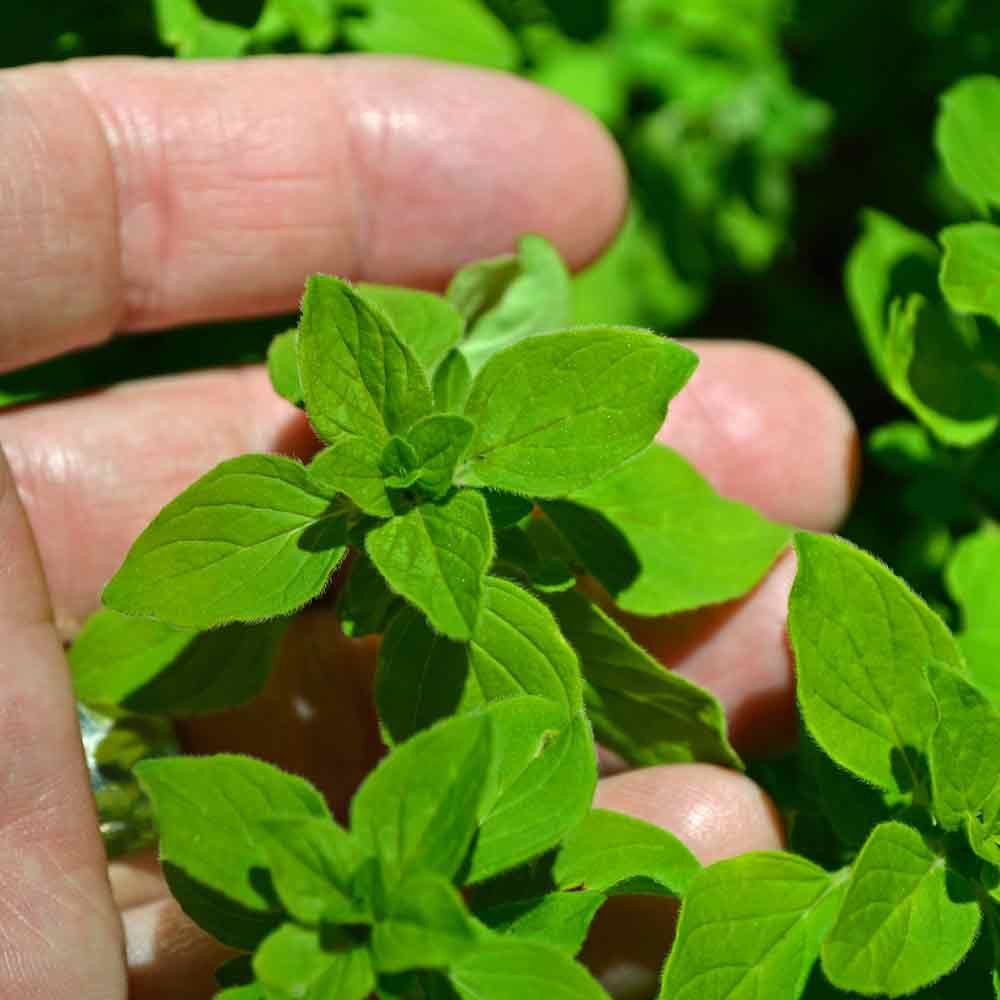
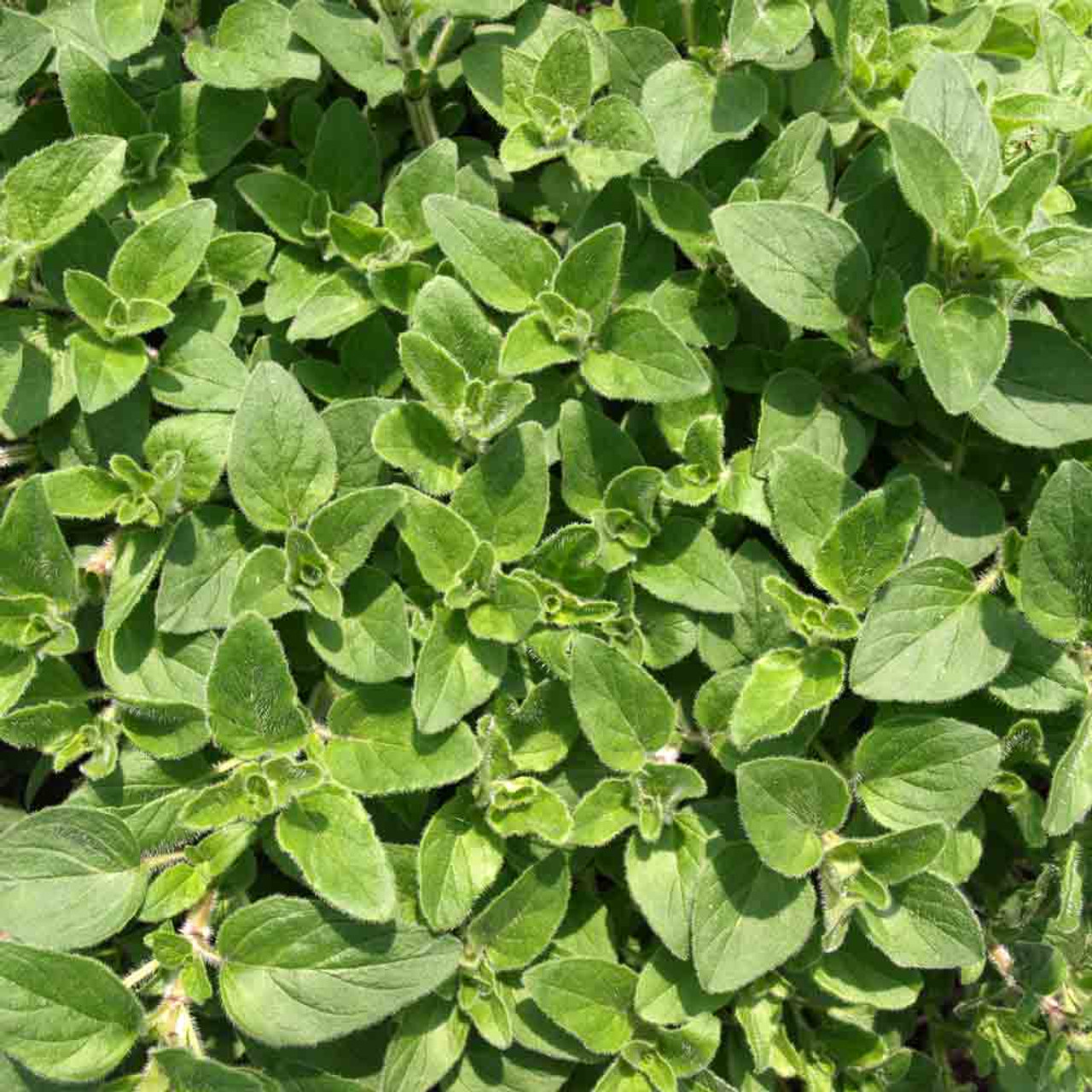
Nature built Sweet Marjoram for the sun-scorched, limestone-rich hills of Cyprus and Turkey. It grows as a tidy, woody sub-shrub, typically reaching 12 to 24 inches in height and spreading about 12 to 18 inches wide. Unlike the aggressive, spreading runners of Greek Oregano, Marjoram maintains a compact, mounded habit. The stems are square and sturdy, often turning a dusty red as they mature and become woody at the base.
The leaves are small, elliptic, and carry a distinct gray-green velvet texture. This "fuzz" is actually a dense field of microscopic hairs called trichomes. They function as a built-in cooling system, trapping a layer of moist air against the leaf and reflecting intense sunlight. Below the surface, the plant anchors itself with a branched, fibrous root system designed to find purchase in rocky crevices.
The easiest way to tell this plant apart from its cousins is by the flowers. While oregano produces loose, open spikes, Sweet Marjoram produces uniquely "knotted" flower bracts—tightly overlapping green bundles that look like small shingles or knots. This physical difference is a signal of the chemical difference within: Marjoram lacks the hot, peppery flavors found in oregano, replacing it with its signature sweet, citrus, and tropical fragrance.
History
The history of Sweet Marjoram is a 3,000-year journey of scent and transformation. It began on the Mediterranean coast, where the Greeks and Romans prized it as a botanical perfume long before it was a kitchen staple. Mythology holds that the herb was precious to Aphrodite, who gifted the plant its scent as a symbol of happiness. This is why newlyweds were historically crowned with marjoram garlands to ensure a life of peace and harmony. By the time of the Renaissance, the plant had earned such a reputation for its soothing nature that William Shakespeare immortalized it in All's Well That Ends Well, calling it "the herb of grace."
As the plant traveled through Europe, it adapted to the needs of different cultures, leading to the distinct landraces we have today. In medieval Europe, the dense, preservative oils were a primary ingredient in "Gruit" ales before hops became the agricultural standard. In Germany, the plant's identity became inseparable from the butcher shop. Known as Wurstkraut (Sausage Herb), specific landraces like Knospenmajoran were bred for high antioxidant content—specifically rosmarinic acid—to functionally slow down the breakdown of fats and prevent rancidity in cured meats. Growing this heirloom preserves a pre-industrial lineage that connects ancient Mediterranean perfumery to the functional survival skills of the early European kitchen.
Uses
While it is a member of the Origanum family, Sweet Marjoram is not "Oregano-Lite." The two plants operate on entirely different chemical frequencies. Where Oregano is defined by a hot, spicy "pizza" aroma, Sweet Marjoram is defined by a delicate, citrusy sweetness. It lacks the aggressive, peppery oils found in its cousin, replacing them with a fragile molecule called cis-sabinene hydrate.
This chemistry dictates a hard rule in the kitchen: marjoram is a finishing resin, never a simmering herb. Because the "sweet" molecules are chemically unstable, high heat or long cooking times will physically destroy the plant’s aromatic profile, leaving behind a dull, grassy flavor. To preserve the signature tropical and citrus notes, always fold the leaves in at the very last second of cooking.
This delicate profile makes it an exceptional bridge for a wide variety of foods. It provides a pleasant aromatic lift to earthier vegetables like spinach, cauliflower, and carrots, and serves as a sophisticated seasoning for beans, peas, and potatoes. While it is a traditional addition to poultry stuffing and savory sausages, it is one of the rare herbs that excels in sweet applications. It works beautifully when used to flavor custards and ice creams, or when folded into fresh fruit tarts with melons and apples. In the Mediterranean, the leaves are still used to brew a popular standalone tea, prized for the same "herb of grace" qualities that have been celebrated for thousands of years.
Companion Planting
In the garden, we use marjoram to disguise our more vulnerable crops. Those same volatile compounds that we prize in the kitchen act as a masking agent in the field. When we interplant marjoram with brassicas like cabbage or broccoli, it actively confuses the scent-track of the Cabbage White Butterfly. The butterfly relies on specific chemical signals to find its host; the dense scent of marjoram "muddies the water," making it significantly harder for the pests to locate the cabbage and lay their eggs.
Beyond repelling pests, it acts as a home for the "good guys." The plant produces uniquely knotted flower buds—tightly overlapping bracts that resemble small green knots—which eventually open into tiny, nectar-rich tubular flowers. These are a preferred food source for beneficial insects like hoverflies and parasitoid micro-wasps. These are the predators that prey on aphid colonies and small caterpillars. It serves as an excellent low-growing living mulch for peppers, but keep it away from moisture-demanding crops like celery or cucumbers. The frequent irrigation those plants require will create fungal pressure that can rot marjoram's roots in a matter of days.
Planting and Growing Tips
Success with this herb requires observation and a bit of restraint. Start seeds indoors 6 to 8 weeks before the last frost, pressing them firmly into the surface of a sterile, well-draining soil mix. They require light to wake up and should never be buried. It is important to monitor the soil temperature rather than just the air temperature; a consistent 65–70°F is ideal for germination, which usually occurs within two weeks. A heat mat is a reliable tool for maintaining this steady warmth.
Transplant into full sun only after the soil temperature stays above 70°F first thing in the morning. As a plant adapted to nutrient-poor, rocky hillsides, it thrives on soil structure rather than synthetic fertility. Tilling disrupts the natural capillary action of the soil, so a no-till approach is recommended to preserve the moisture-wicking properties the roots rely on.
The most critical mechanic in the field is water management. Withhold irrigation until the soil is dry to the touch several inches down. Forcing the roots to search for moisture triggers the defensive production of the essential oils that define the flavor. In areas with heavy clay, amend with coarse sand or plant in raised mounds to mimic the rapid drainage of a limestone hillside and prevent root rot.
Harvest Tips
Timing is the most critical factor in capturing the peak aromatic profile of Sweet Marjoram. The ideal window is the "Green Bud" stage—the moment just before the tightly knotted bracts open into flowers. At this point, the essential oil concentration is at its absolute maximum. Once the flowers break open, the plant's internal chemistry shifts; the sweet, tropical notes dissipate, leaving behind a generic, woody flavor. Identifying this window takes close observation and a bit of a learning curve, so expect the timing to become more intuitive after a few seasons of practice.
The harvest should take place in the morning, after the dew has evaporated but before the intense midday sun begins to pull the volatile oils from the leaves. When it comes to preserving the harvest, heat is the primary enemy. The delicate molecules that create the sweetness in marjoram begin to break down at temperatures exceeding 104°F. To avoid this, bypass the traditional method of hanging bundles, which can lead to uneven drying and "shattering" loss. Instead, lay the stems flat on drying screens in a cool, dark, well-ventilated spot. This method preserves the vibrant color and the complex volatile profile, delivering a quality of herb that is simply impossible to find in a commercial grocery store.
Learn More
- Indoor Herbs - Better Than Houseplants
- Beef, Barley and Root Vegetable Soup
- The Versatility of Herbes de Provence
From the soil to the seed to the food you eat - we'll help you grow your best garden!
1 Review
-
For Chefs and Gourmet cooks
This is an herb that all my friends who write cook books and teach cooking classes love and rave about. So I give it to them. I love my true greek oregano, marjoram is very sweet to me and sort of pungent and bland. I know that doesn't make sense, but grow it and see for yourself.
Related Products
Related Products

True Greek Oregano Seeds - (Origanum heracleoticum)

Sweet Basil Seeds - (Ocimum basilicum)
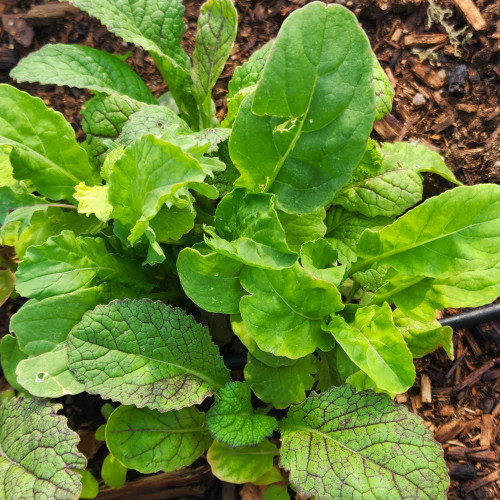
Sweet & Spicy Greens Seed Mix

Nadapeno Sweet Pepper Seeds - (Capsicum annuum)

